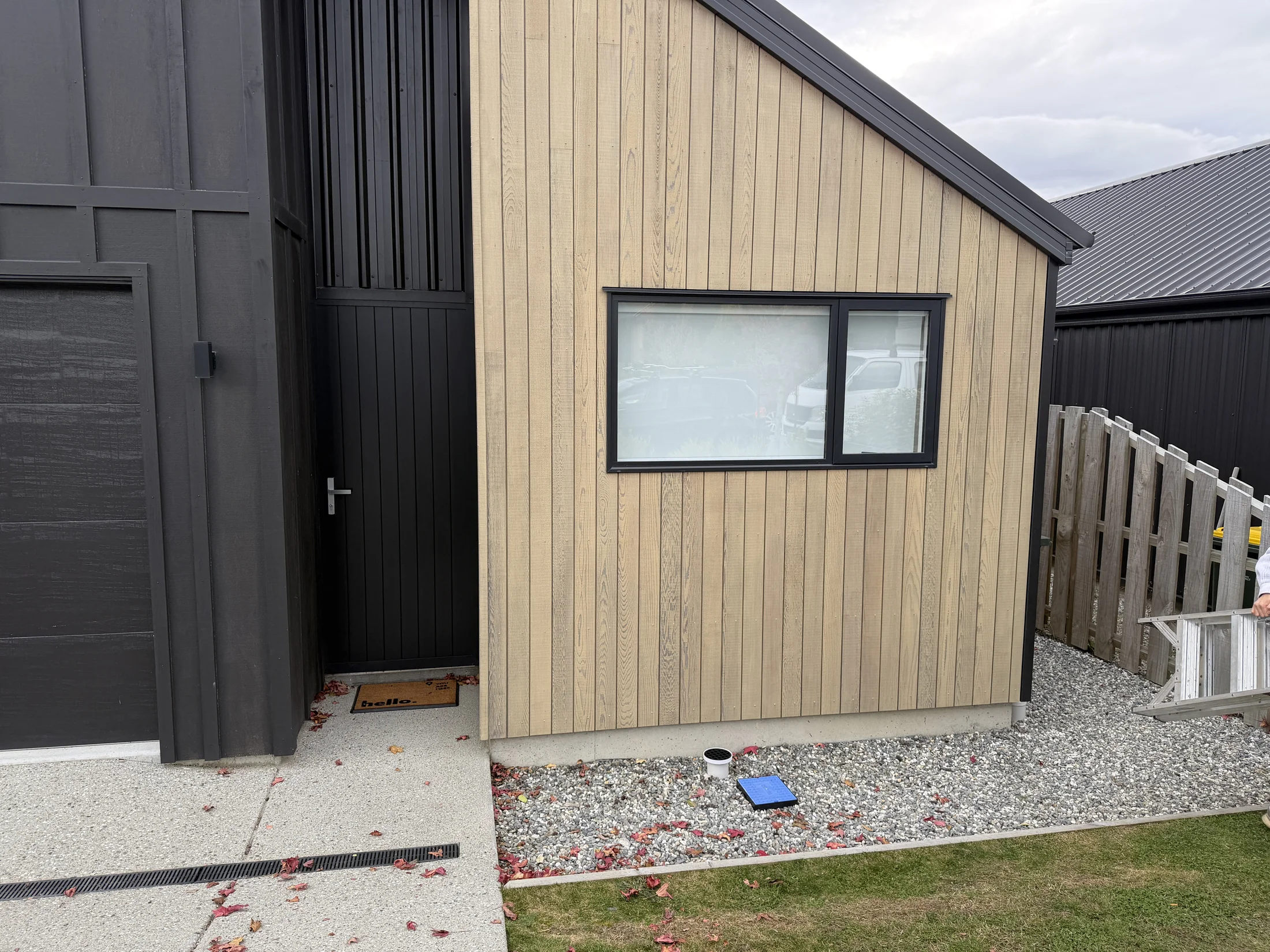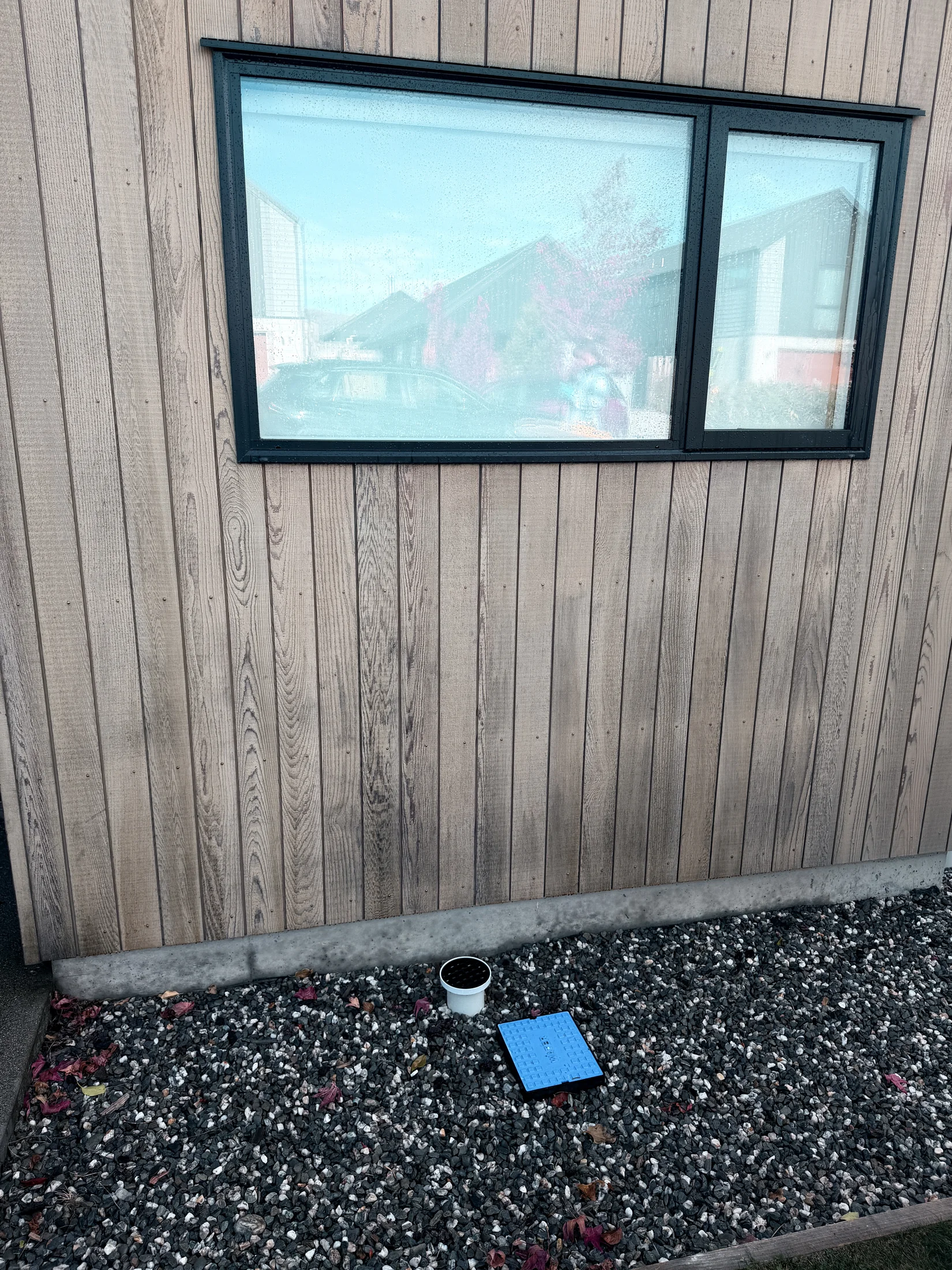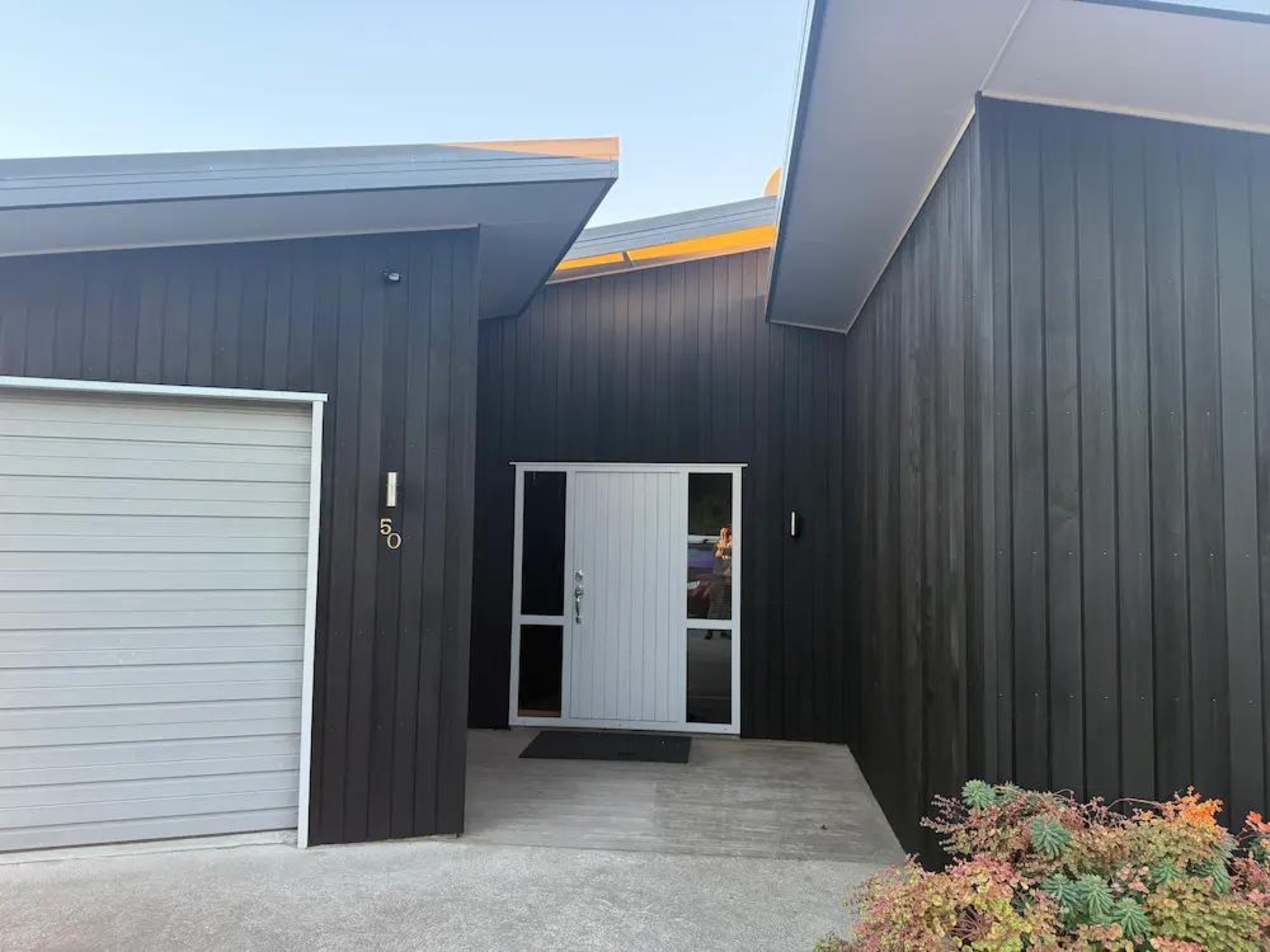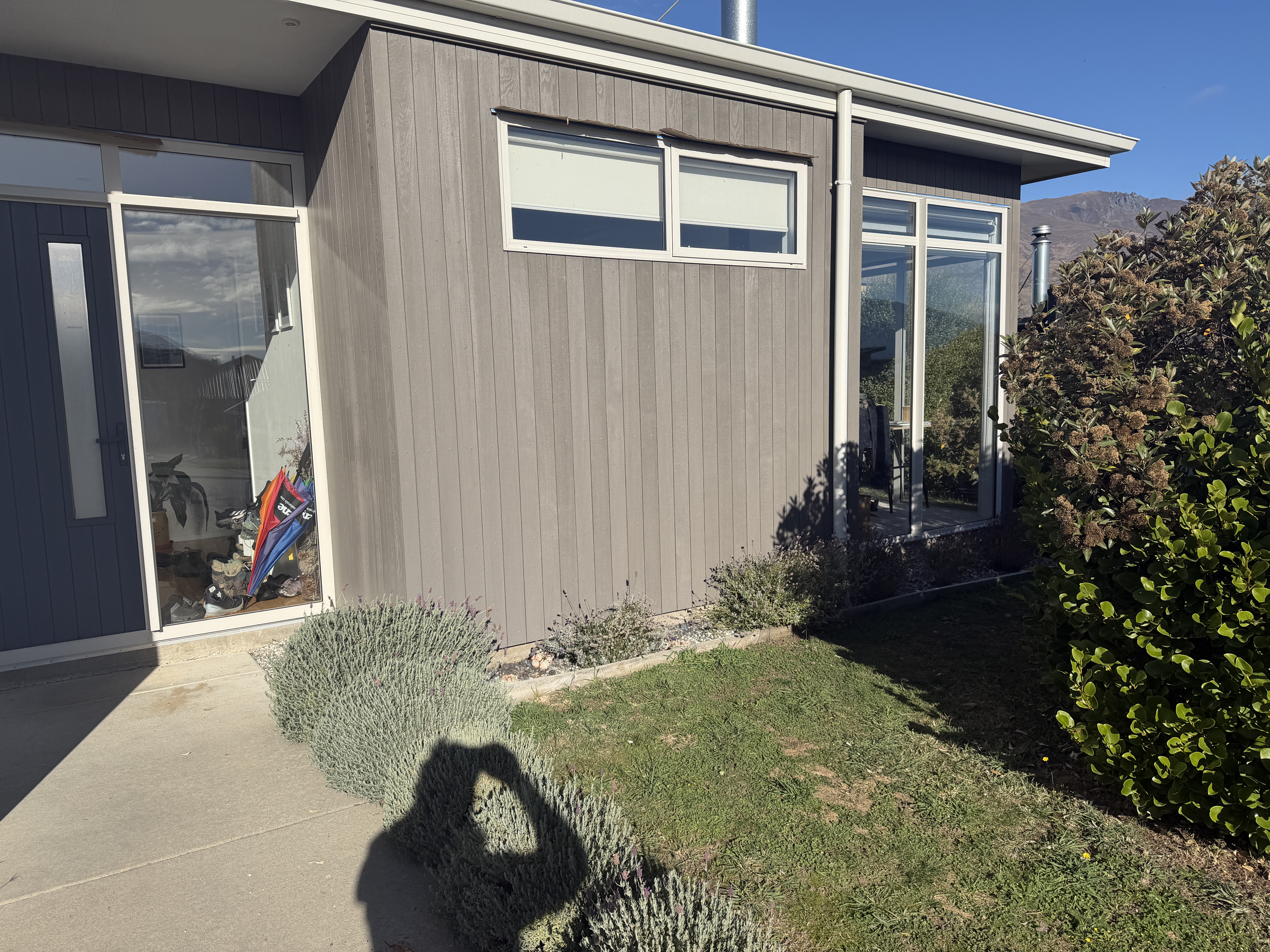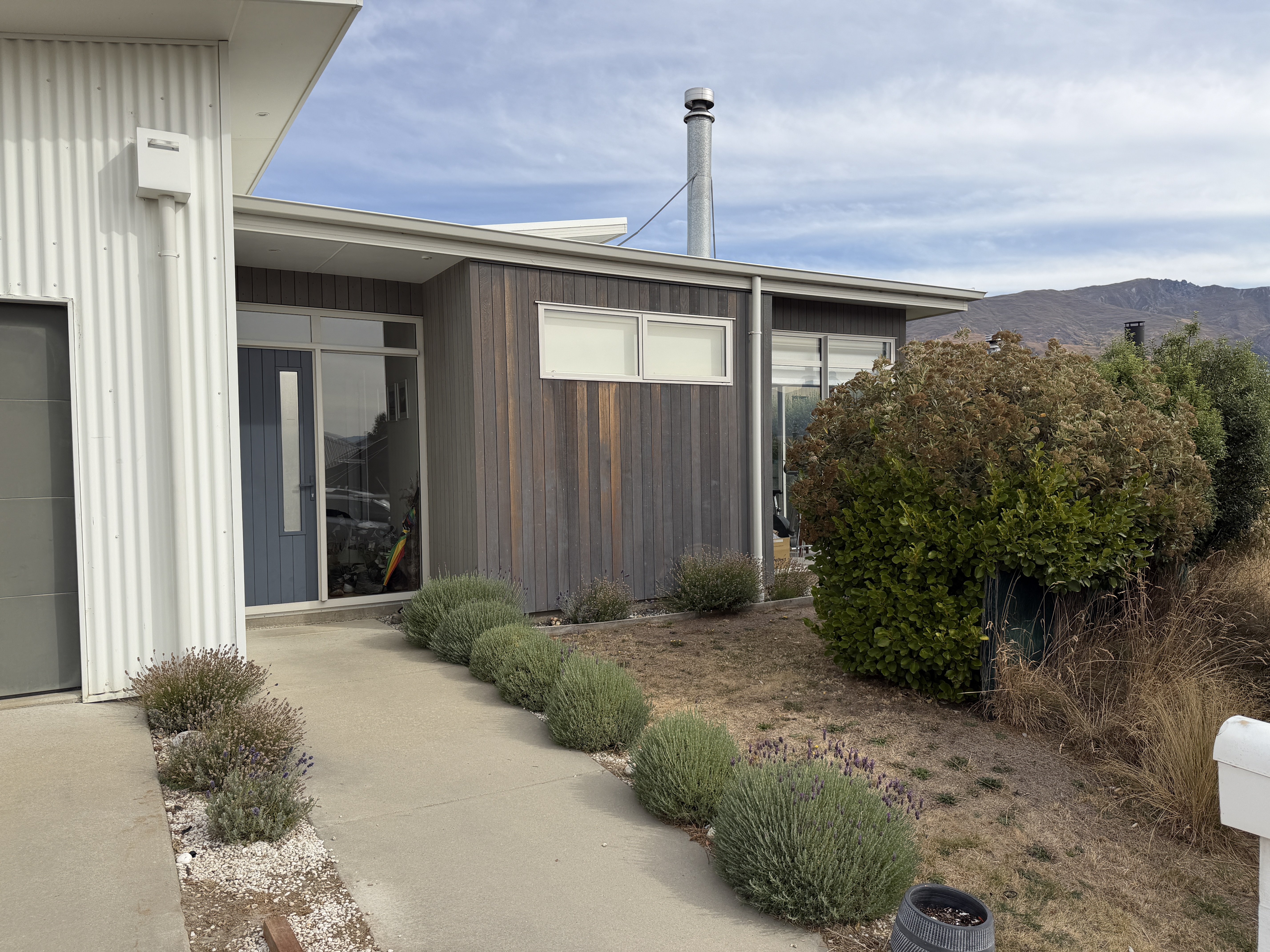
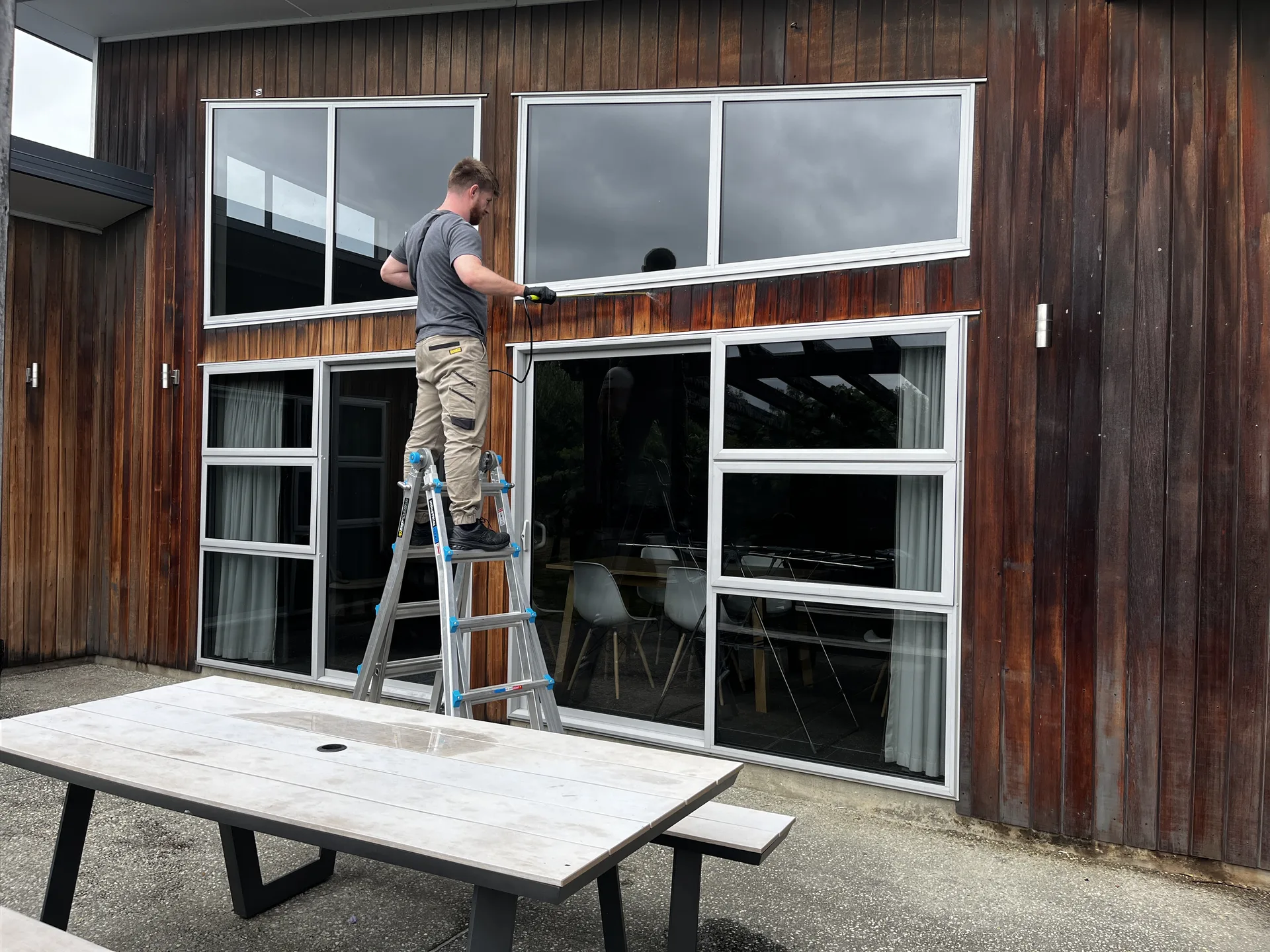
When cedar gets really weathered - grey, patchy, with the old coating peeling away in sheets - it's natural to assume the worst. A lot of people I visit have already half-convinced themselves the boards are stuffed and they're steeling themselves for a reclad quote with a frightening number on it.
Here's the reassuring part, and I mean it: most of the weathered cedar I'm asked to look at is completely restorable. Replacement is the exception, not the rule. The trick is knowing how to tell the difference - because "looks terrible" and "is actually beyond saving" are two very different things.
Not sure which one you're dealing with? Book a free cedar assessment and I'll give you a straight answer.
"Weathered" covers a huge range
The word gets used for everything from cedar that's simply lost its colour to cedar that's physically falling apart. It helps to think of it as a spectrum:
- Dull and faded - colour gone flat, maybe pulling out on the sunny faces. Surface still sound.
- Silvered - bare timber exposed and gone grey. Still shallow, still sound underneath.
- Peeling or blistering - an old film-forming coating has let go and is lifting off in flakes.
- Black and degraded - heavy weathering, often with mould, the surface fibres broken down.
- Physically failing - boards cupping, splitting, soft, or rotting at the ends and joints.
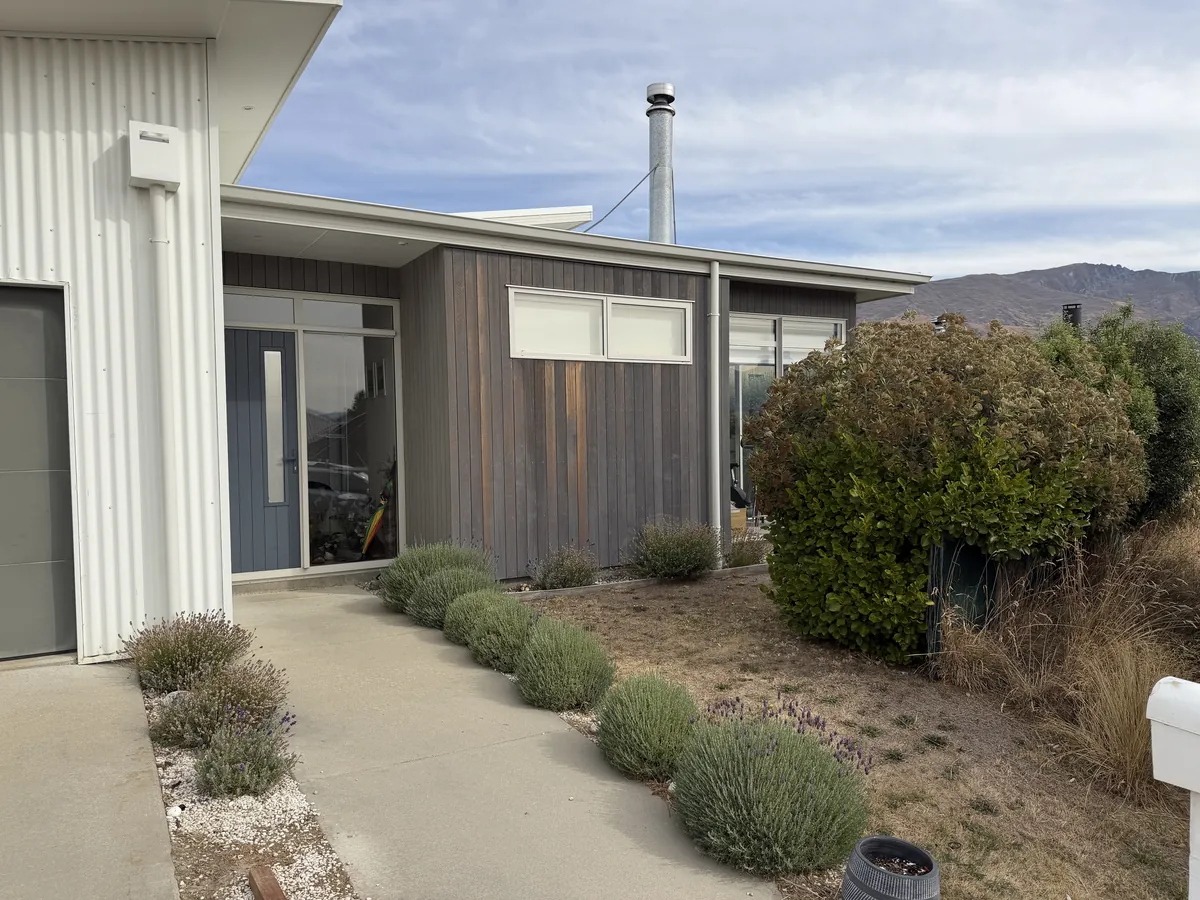
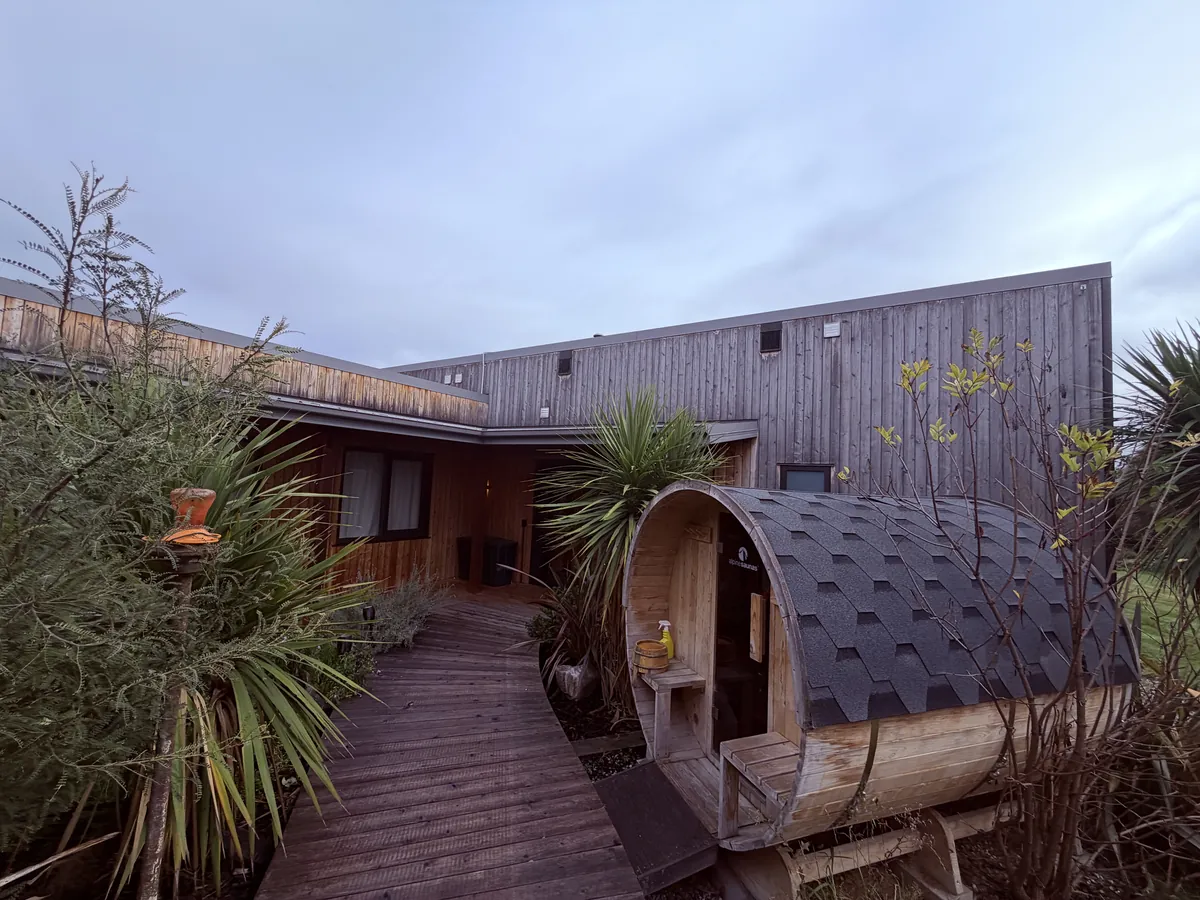
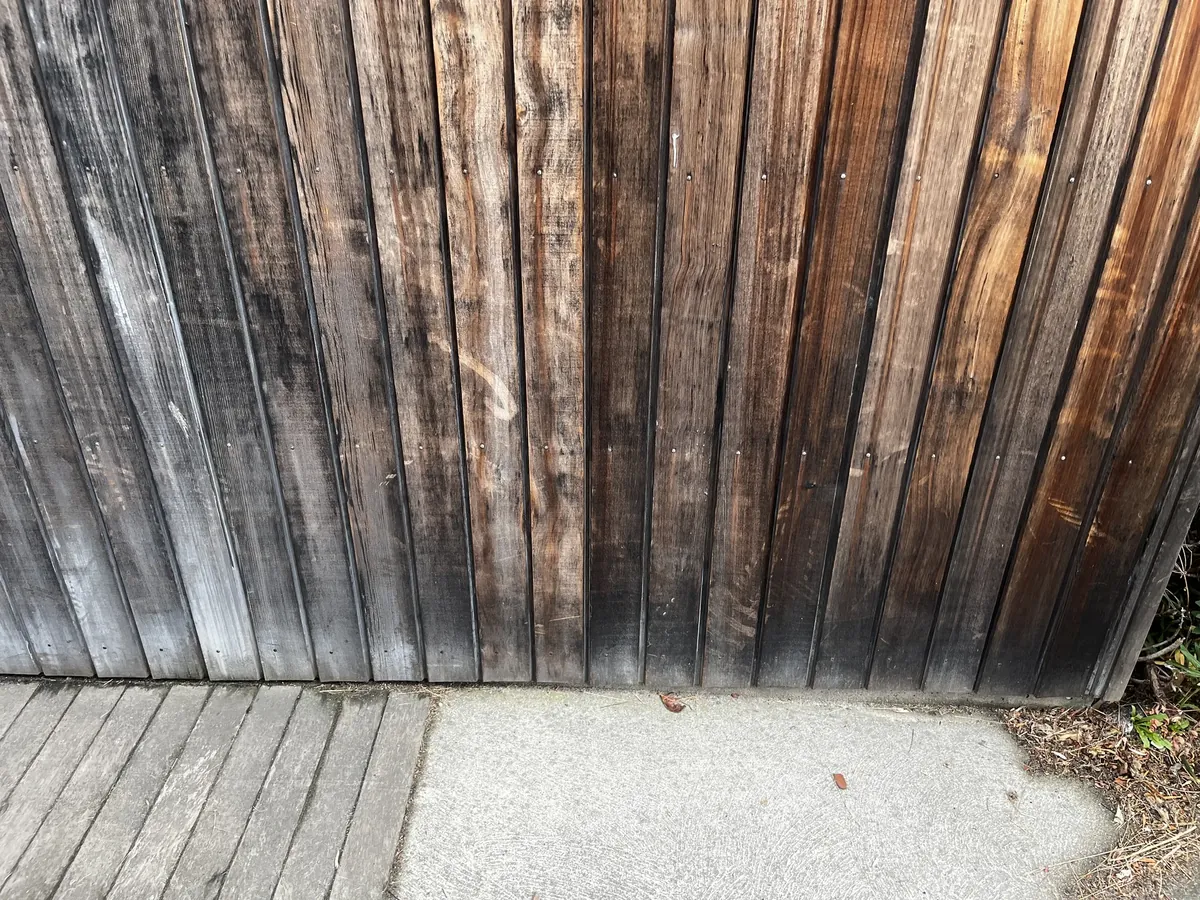
The first four are surface conditions. They look bad, but they're almost always a restoration job, not a replacement one. Only the last category - timber that's lost its structural integrity - actually needs new boards. If your cedar's mostly just gone grey, my guide to silvering cedar covers what that colour change means in more detail.
The real question: is the surface ugly, or is the timber gone?
This is the whole game. Almost everything that makes weathered cedar look alarming - the grey, the black, the peeling, the patchiness - lives in the top fraction of a millimetre. Strip that away and there's usually sound, beautiful timber underneath.
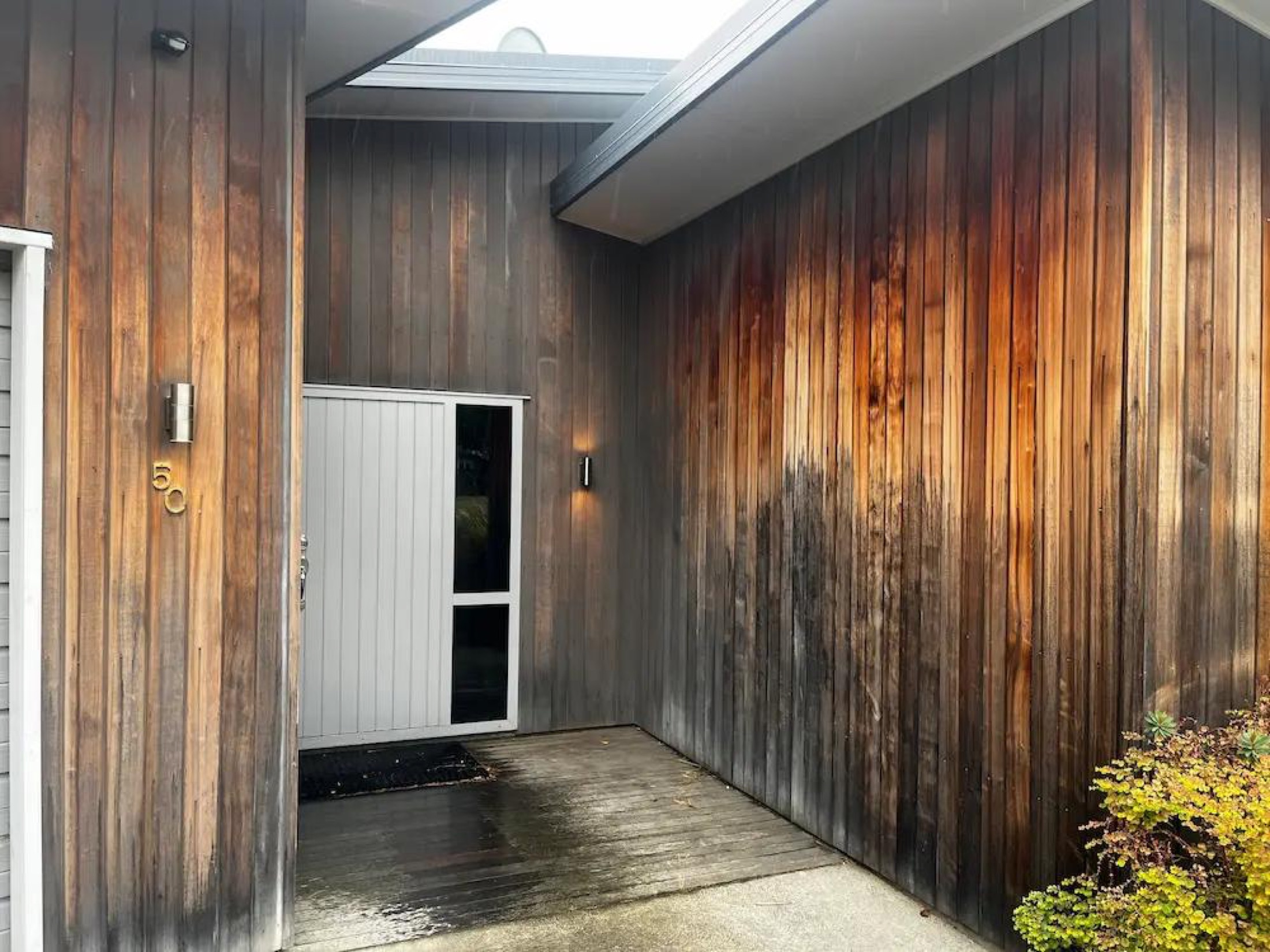
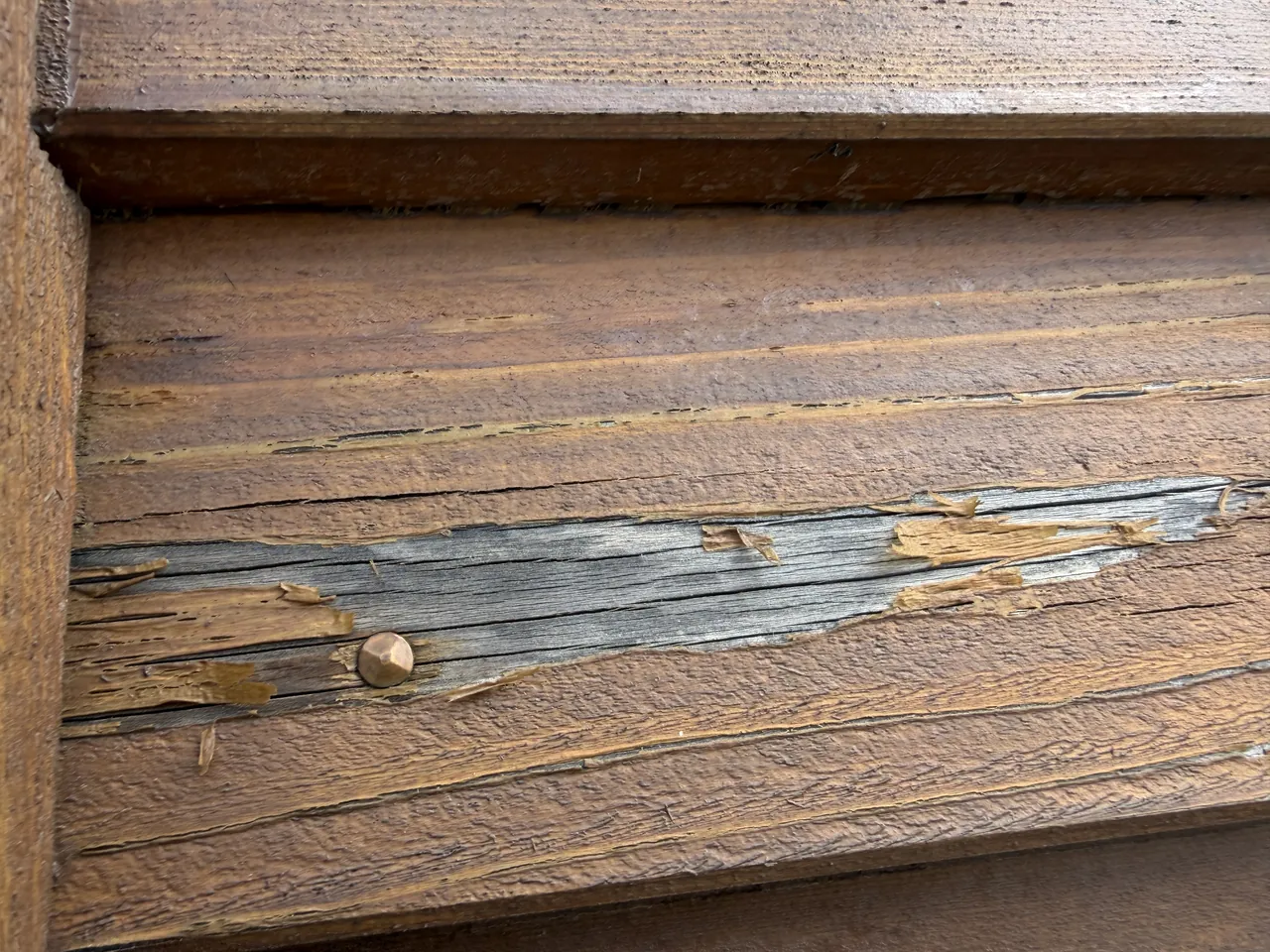
This looks like a disaster, but it's mostly a coating failure - the old film has let go and lifted away. You can see some surface checking in the bare timber too, but that's shallow weathering, not a board that's gone soft or split right through. Conditions like this almost always restore rather than replace.
A failed coating peeling off in sheets photographs terribly and worries people the most. I won't pretend it's an easy fix - stripping a coating that's let go is hard, slow work, usually a full scrape and sand back to bare timber, because whatever you leave behind just keeps lifting. But it's still a restoration, not a replacement. What decides restore-versus-replace isn't how bad the surface looks or how much prep it takes - it's whether the wood beneath has gone.
How I check it on site
When I assess weathered cedar, I'm not looking at the colour - I'm testing the timber. A few quick checks tell me almost everything:
The push test. I press a screwdriver or my thumbnail into the board, especially at the bottom edges, the ends, and around fixings. Sound cedar resists. If it goes in soft and spongy, that's rot, and that board needs replacing.
End grain and joints. Cedar fails first where water sits - board ends, scarf joints, around windows and at the base of the cladding. A bit of localised rot at a few ends doesn't condemn a whole elevation; we cut in replacement sections and restore the rest.
Cupping and splitting. Boards that have badly cupped (curled across their width) or split right through have moved too far to sit flat and shed water again. Isolated ones get swapped; widespread movement is a bigger conversation.
Coating versus timber. Peeling, flaking and blistering are coating problems - good news. Grey or black surface fibres are a surface problem - also fine. Soft, crumbling, punky wood is a timber problem - the only one that means replacement.
Most of the time, restoration wins
If the timber's sound, restoration is almost always the right call - and the result is hard to believe if you've only seen the "before."